
Changing Door Locks in Friendswood, Texas: A Guide to Home Security
Why Homeowners Need to Change Their Locks
Changing door locks is a crucial aspect of maintaining a secure home environment. Homeowners may find it necessary to update their locks for various reasons, each signifying an essential focus on safety and security. One common scenario prompting a lock change is moving into a new residence. Often, new homeowners may not know how many copies of the keys exist or who might still possess them. Changing the locks provides peace of mind, eliminating the anxiety associated with unknown keyholders.
Another prevalent reason for changing door locks is the loss of keys. Whether keys are accidentally misplaced, lost during travel, or stolen, homeowners should consider replacing their locks immediately. A lost key can pose significant security risks, and prompt action is necessary to prevent unauthorized access.
Circumstances such as a break-in can also necessitate a lock change. Experiencing a home invasion is not only traumatic but highlights vulnerabilities within one’s security system. By replacing the locks after such an incident, homeowners can restore their sense of security and demonstrate a proactive commitment to protecting their space.
Moreover, worn-out hardware can weaken door security. Locks can become less effective over time due to rust, wear, or malfunction. Homeowners should routinely inspect their locking mechanisms and replace them as necessary to ensure that they are not compromising home security due to outdated or faulty components.
Finally, many homeowners choose to upgrade their locks for enhanced security features, such as smart locks that provide keyless entry, greater convenience, and remote monitoring capabilities. Upgrading locks not only reinforces the overall safety of a home but demonstrates a commitment to utilizing modern solutions for securing personal spaces.
Types of Residential Door Locks
When it comes to enhancing home security, understanding the various types of residential door locks is essential. Different lock types not only differ in their mechanisms but also in their respective features and suitability for various situations.
One common type of door lock is the deadbolt. Deadbolts are known for their robust construction, providing superior security compared to standard spring bolt locks. They typically require a key to unlock, and many models feature a double-cylinder option that needs a key from both sides, offering added security, especially on doors with nearby windows.
In contrast, knob locks are often found on residential doors but are less secure than deadbolts. They primarily serve as a locking mechanism for interior doors or as an auxiliary locking solution when combined with a deadbolt. Their simplicity and ease of use make them a common choice for many homeowners; however, due to their vulnerability to forced entry, a deadbolt is often recommended for external doors.
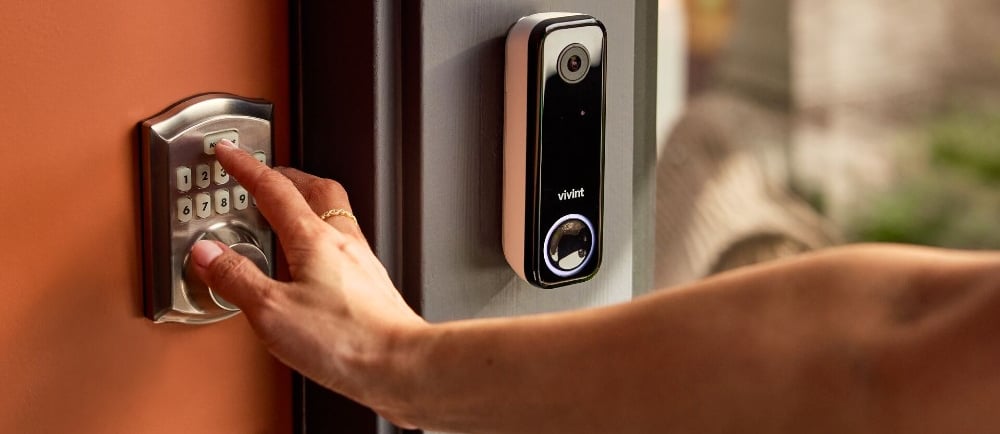
Smart locks represent a modern solution to residential locking systems, integrating technology to enhance convenience and security. These locks can be controlled via smartphones or keypads, allowing homeowners to lock or unlock doors remotely. Many smart locks come with features like temporary access codes for guests, making them ideal for rental properties or homes with frequent visitors.
Keypad locks also offer a user-friendly option for residential security. Utilizing a numerical keypad, these locks eliminate the need for physical keys. Homeowners can set unique access codes, which are easily changeable, offering flexibility and convenience, particularly in family households where multiple individuals require access.
In summary, each type of residential door lock presents distinct features and advantages. By understanding these options, homeowners in Friendswood, Texas, can make informed decisions when changing door locks to effectively enhance their home security.
Rekeying vs. Replacing Locks
When considering how to enhance home security in Friendswood, Texas, it is essential to understand the differences between rekeying locks and replacing them entirely. Each option comes with its own set of advantages and scenarios where it may be more appropriate.
Rekeying a lock involves changing the internal workings of the lock so that it will only open with a new key, while the lock itself remains in place. This method is often recommended when keys are lost or stolen, as it instantly eliminates access to anyone who may have found or kept copies of the old keys. Additionally, rekeying is generally more cost-effective than replacing a lock, as it requires less labor and fewer materials. Homeowners can usually benefit from this approach if they want to maintain the existing hardware and only require a new locking mechanism.
On the other hand, replacing a lock might be necessary when the hardware is old, damaged, or showing significant signs of wear and tear, which could compromise security. Old locks are often less reliable and may not meet modern security standards. In such cases, investing in a new lock can provide enhanced security features, such as higher resistance to picking or bumping. Furthermore, homeowners may choose to upgrade to smart locks that offer advanced technologies, including keypad entry or remote access via smartphones.
In conclusion, the decision to rekey or replace locks depends on various factors, including the condition of existing locks and the urgency of the security issue at hand. Evaluating these considerations can help homeowners in Friendswood ensure that their security measures are both effective and economical.
The Process of Changing a Lock
Changing a door lock can be a straightforward undertaking when approached methodically. To begin, gather the necessary tools: a screwdriver, a wrench (if applicable), and a new lock set compatible with your door. Having these at hand will streamline the process and ensure you are ready to proceed efficiently.
Next, follow a step-by-step approach. Start by removing the existing lock. Use the screwdriver to detach the screws securing the lock in place. Typically, these screws are located on the interior side of the door. Once removed, carefully pull out the lock cylinder and the latch mechanism from the door. This step may require some gentle wiggling to loosen the components, particularly if they have been installed for a long time.
Before installing the new lock, it is essential to check the door alignment. Ensure that the door closes properly and aligns seamlessly with the door frame. Misalignment can lead to operational issues with the new lock. If necessary, adjust the hinges or the strike plate to achieve proper alignment. Additionally, inspect the door for any wear and tear; this is a good time to make any repairs, as a secure lock relies on a sturdy door.
Once you confirm everything is in order, you can proceed with the installation of the new lock. Insert the latch assembly and secure it with screws. Afterward, follow the manufacturer’s instructions to place the lock cylinder into position. Make certain that everything fits snugly and firmly. Finally, test the new lock several times to ensure it operates smoothly on the first attempt. Ensure that both the locking and unlocking functions are seamless and that the key fits adequately.
Why Hire Gordon Liufau of Friendswood Handyman
Changing door locks is a task that many homeowners might consider undertaking themselves. However, when it comes to ensuring the security of your home, relying on a professional handyman like Gordon Liufau of Friendswood Handyman can offer significant advantages. One of the key benefits of hiring a professional is their expertise in ensuring that a lock fits correctly, is aligned properly, and functions smoothly. Gordon’s knowledge in this area means that you can be confident that your new locks will provide optimal security.
Moreover, door locks are only as secure as the doors and frames they are attached to. A professional handyman can assess the overall condition of your door and frame, ensuring that any weaknesses are addressed before installing new locks. This comprehensive approach to home security not only protects your property but also mitigates the risks associated with improper installation and alignment that could compromise your safety.
Gordon Liufau and the Friendswood Handyman team are dedicated to serving the local community with reliable and affordable lock services. Their commitment to quality workmanship and customer satisfaction makes them an excellent choice for those looking to enhance their home’s security. Whether you are looking to upgrade your existing locks or need guidance on which locks best suit your needs, Gordon’s expertise can be invaluable.
By choosing to hire a professional like Gordon, you are not only ensuring the job is done right but also giving yourself peace of mind. Home security is not something to take lightly, and having someone who understands the intricacies of lock installation will provide you with the confidence that your home is secure. If you are considering changing your door locks, do not hesitate to reach out to Gordon Liufau and his team for assistance.